
Brave Librarians: Bookmobil, Pack Horse Library, "Ulysses" by J. Joyce
Mary Lemist Titcomb – Bookmobile
Today, the bibliobus is a standard means by which libraries enable the borrowing of books in peripheral and hard-to-reach areas. Small trolleys with books to borrow appeared as early as the 19th century. in America and England, but at the beginning of the 20th century, the then popular women's clubs began to strongly advocate the idea of expanding traveling libraries more strongly. The first system of the so-called bookwagon was designed and organized by Mary Lemist Titcomb (1857 – 1932). Although there was no education for librarianship available in her time and women were usually caregivers or teachers, she was educated through practice working in the library for free. After employment, she quickly advanced in her profession, and in 1902 she was called to the position of chief librarian at the Washington County Free Library in Hagerstown, Maryland. Soon, she popularized books and reading with new and innovative methods. She attracted a lot of young readers, made interesting wall newspapers and organized library points in schools, post offices and other public spaces. But she also wanted to reach more remote areas, so in 1904 she designed a bookmobile that was pulled by a horse, carried about 200 books, and was driven by a library janitor who knew the area well. The horse bookmobile had an accident (fortunately without fatal consequences) and was replaced by a motorized one, which he drove from 1912 to 1932. This one had additional reinforced parts, so it could carry more copies of books. Mary Lemist Titcomb also organized a school for librarianship, and in 1914 she became vice president of the American Library Association.


Librarians on horseback – Pack Horse Library
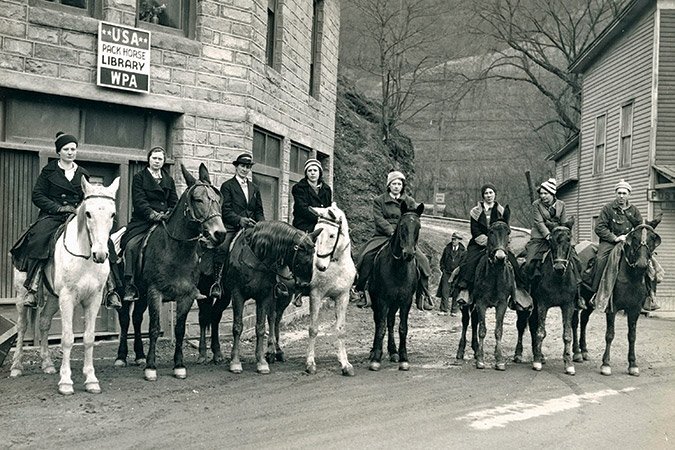
The Great Depression in America that began in 1929 affected all areas of life and activity, and bookmobiles stopped operating in those years. Roosevelt's New Deal Project, launched in 1933, sought to open up new educational opportunities in addition to new jobs. Eastern Kentucky was among the hardest-hit areas, as a large number of mines in the Appalachian Mountains had closed. Homes were isolated and poor, and more than a third of the population was illiterate. A few decades earlier, in 1913. May F. Stafford would fill her briefcases with books and distribute them to isolated farms and local schools. The idea was taken up by Elizabeth Fullerton, who worked for the Work Progress Administration (WPA), and in 1935 she started the Pack Horse Library Project. She had great support in Eleanor Roosevelt, who was particularly interested in those programs that encouraged women's employment and education.
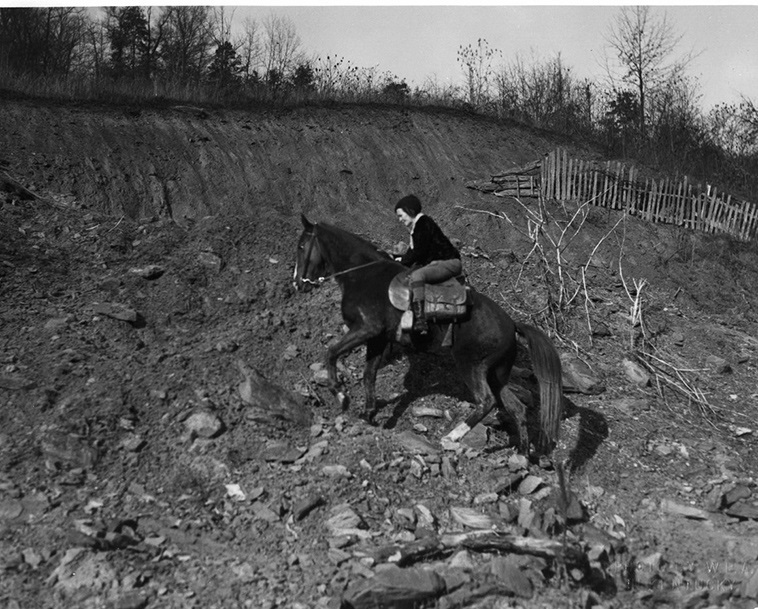
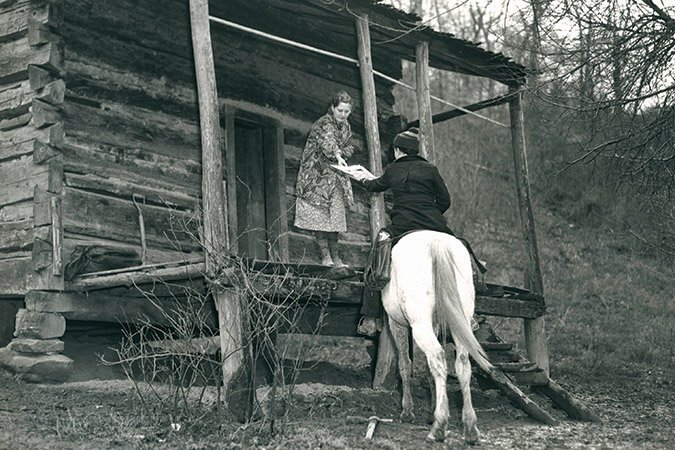
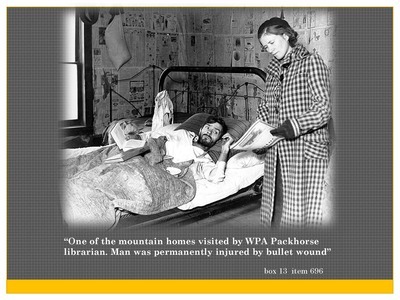
During its existence until 1943, the Pack Horse Library Project employed about 1000 librarians who brought books on horseback to the most inaccessible parts of Kentucky. They often had to ride river beds and steep paths even in the ugliest weather, and they had to overcome the initial distrust of the population. Librarians on horseback not only brought books, but also read to groups and individuals and taught children. They soon became extremely popular, and young people could travel a large number of kilometers to reach the meeting place. According to the testimonies of some of them, librarians on horseback saved their lives and brought true joy. "Them books you brought us has saved our lives."



Sylvia Beach – "Ulysses" by J. Joyce
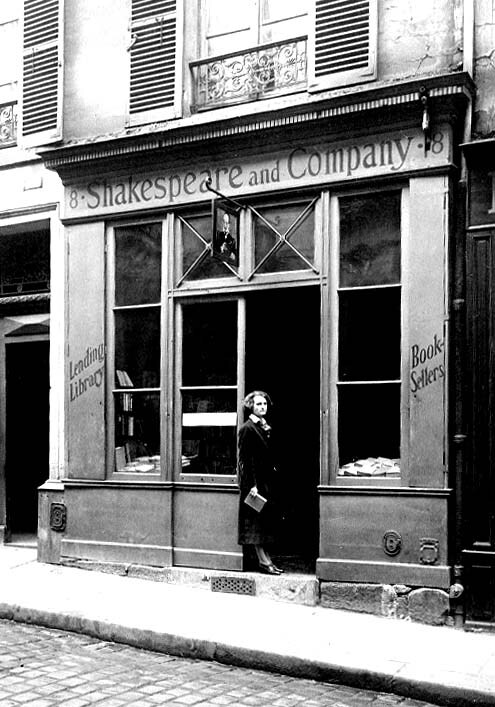
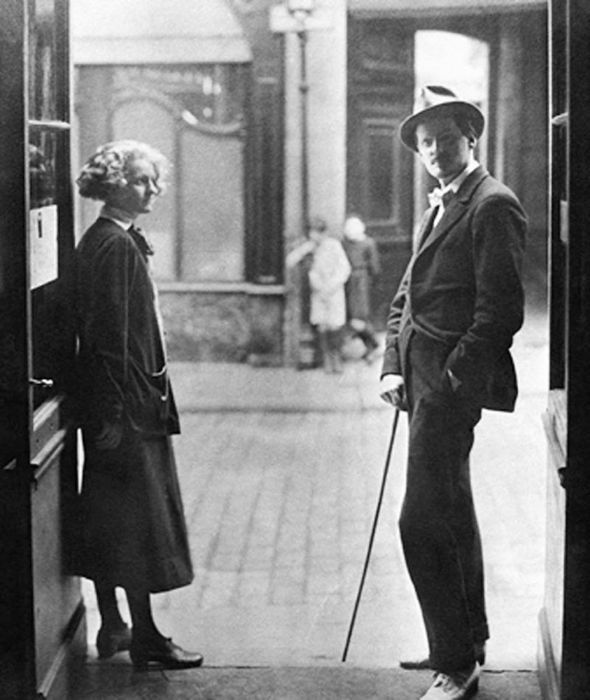
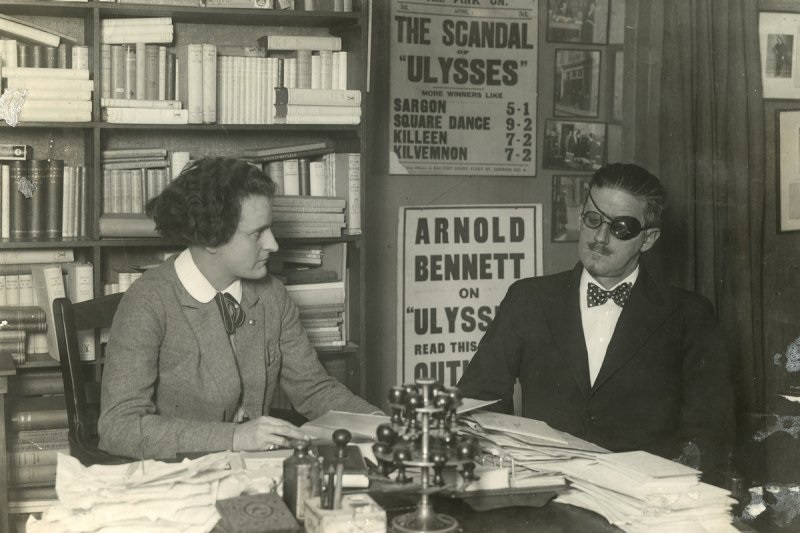
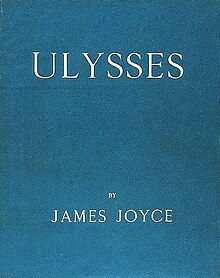
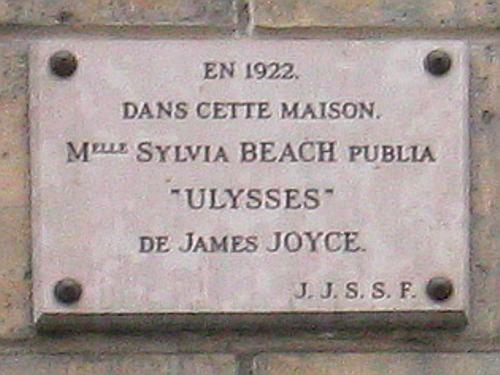
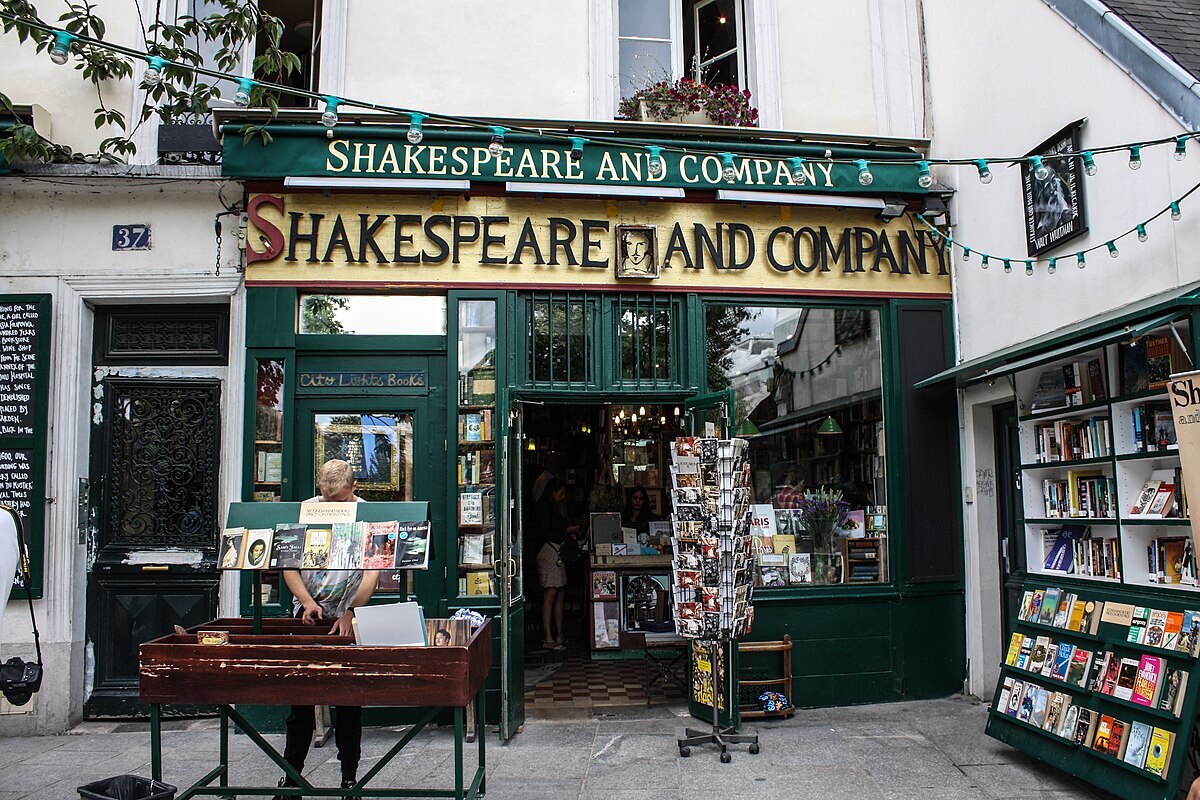
The "Shakespeare and Company" bookstore is a kind of tourist attraction in Paris. It is known for its selection of books in English and for allowing young authors to sleep in its premises in exchange for help with the bookstore's work. Since its opening in 1951, it has been run by owner George Whitman, and after his death in 2017, it was taken over by his daughter. However, the bookstore itself inherited its name and concept from Sylvia Beach, who opened a bookstore and library of the same name in 1919. Its goal was to promote avant-garde and emerging authors, so the bookstore/day library soon became a gathering place, office, club and post office of the generation of authors between the two wars. Andre Gide, Hemingway, Paul Valery, Scott Fitzgerald, T. S. Eliot, Djuna Barnes, G. Stein and many others read their works there. Sylvia Beach, or rather her bookstore, is best known for publishing James Joyce's novel "Ulysses" in 1922, which was banned in America and Britain.
The bookstore closed in 1941, after the Nazi occupation of Paris, and Sylvia Beach was interned for 6 months. With her consent, George Whitman named his bookstore "Mistral" in 1964 "Shakespeare and Company".