
Knjiga je kriva: Dante, Cervantes, Eco
It is a well-known fact that books throughout history have been to blame in various ways, and here we will deal with how some books within the three famous books were to blame for what happens to the characters.

Dante: Hell – Paolo and Francesca
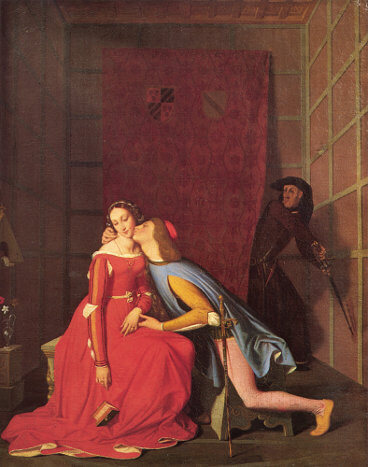
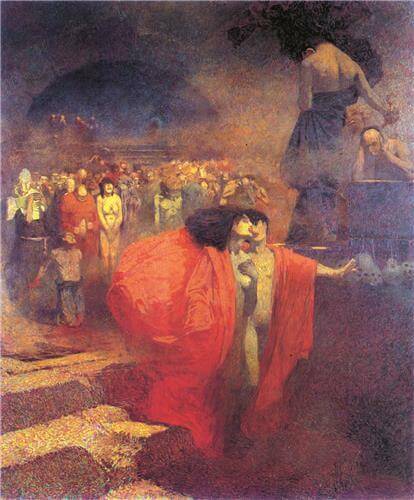
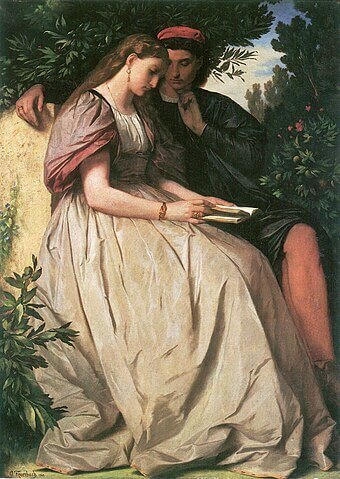
One of the most beautiful and poetic episodes in Dante's "Inferno" is his meeting with Francesca da Rimini. In the second circle of hell, sinners are punished for lust, and the whirlwind carries them and winches them as they were carried by their passions. As he meets Cleopatra, Helen, Paris, Tristan and Isolde, Dante is attracted to two tightly knit lovers who cannot be separated even by a whirlwind. When they approach him at the invitation, Francesca takes an active role and talks about how she fell in love with Paolo Malatesta, the brother of her forcibly imposed husband.
The love happened through the joint reading of the Arthurian legend of Lancelot and Guinevere, so Francesca draws parallels between what happens in the legend and their story, from the love that overwhelms them and manifests itself in pale faces and looks, through a trembling kiss, to the final surrender to ecstasy, and concludes: "... the pimp of the book and its writer was: we did not read any further that day...".
Dante is grieved and shaken and cries so much that he falls unconscious, and the whirlwind again takes away the lovers. Although here they are sentenced to punishment for not resisting sin and overcoming their feelings with reason, the lovers are obviously portrayed with a lot of compassion and sympathy, with the character of Francesca da Rimini in particular inspiring many authors in various artistic fields. Boccaccio, Rachmaninoff, Rossini, Tchaikovsky, Lord Byron and many others have dedicated their works to her, and in the attachment you can see the artistic interpretations of this episode.

Cervantes: Don Quixote – chivalric novels
An ordinary, modest nobleman near the fifties was very fond of reading chivalric novels: "All in all, he became so entangled in his reading that he read all night from evening to morning and all day from dawn to night. And so, from little sleep and a lot of reading, his brain dries up and his mind eventually becomes clouded."
Everyone knows how Alonso Quijada or Quesada came out of his gray existence and became Don Quixote and how he showed an astonishing amount of wisdom and greatness in his madness. Unfortunately, this was not always to his advantage, so his friends wanted to cure him, and they thought it was best to destroy the very source of all this confusion – his library.
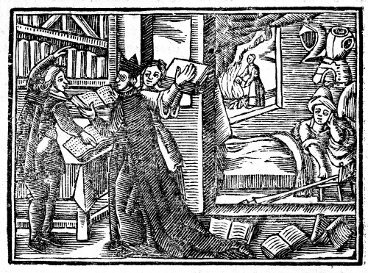
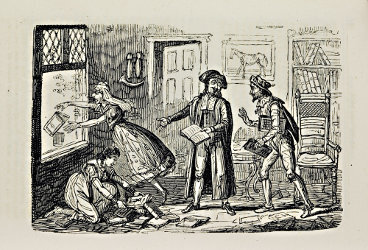
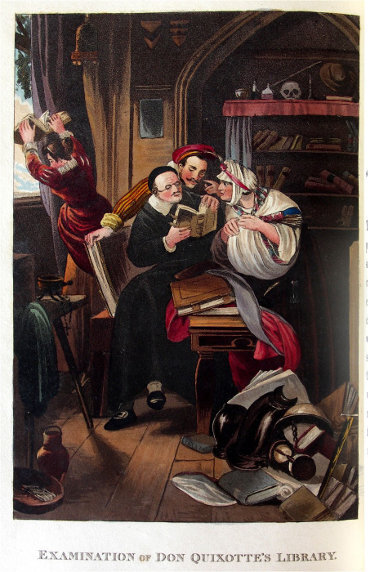
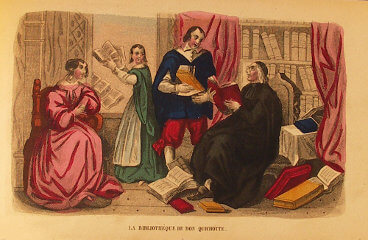
In one chapter of the novel, it is described how the parish priest, the barber, the landlady and the niece look through the books, the parish priest comments on some of them, even praises and saves some of them, and then burns most of them. The landlady also burns poetry, because she thinks that this could drive her master crazy, and then they wall up the room, later telling Don Quixote that the library was taken by a wizard. In this way, they actually agree to his vision of reality, even though they want to destroy it.
Many commentaries have been written about Cervantes' attitude towards the chivalric novel, and from his "Don Quixote" we can read that life with books can sometimes separate us from reality, but it also leads us to a nobler, fuller and more fulfilled life.
Attached are illustrations of this episode from old editions of the novel.
Umberto Eco: The Name of the Rose – A Book of Laughter
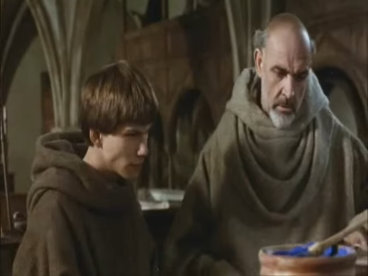
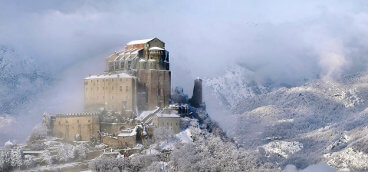
Eco's novel "The Name of the Rose" was popular worldwide and received many awards and praise, and thanks to the film it became known to a wider audience. The action is set in a Benedictine abbey, at the beginning of the 14th century, during a theological conference that gathers many church representatives. A series of suspicious deaths occur in the monastery, which are investigated by the famous Franciscan William of Baskerville with his young student Ads. Although he fails to prevent new murders, William nevertheless discovers what the beginning is: Aristotle's book of comedy, which is kept in a secret room by the head librarian with other forbidden books.
The novel is full of literary allusions, linguistic games and historical fictionalizations, creating diverse narrative layers and meanings. Why would reading a book about laughter be so dangerous? Because laughter and comedy destroy eternal and dogmatic truths, undermine established values and undermine authority. Laughter examines, resists and brings disorder, and the chief librarian wants to ban everything that asks questions and spreads knowledge; he does not share it, he is a devotee who keeps knowledge within a given framework.
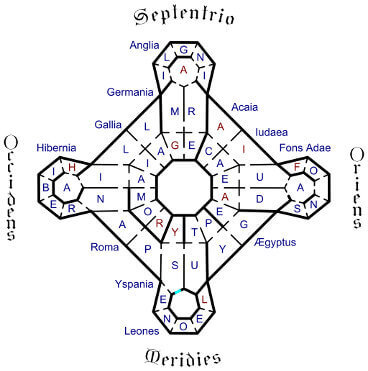
Attached you can see an excerpt from the film in which laughter is discussed, as well as the famous floor plan of the monastery library-labyrinth.