Virtual Exhibition - Text and Image
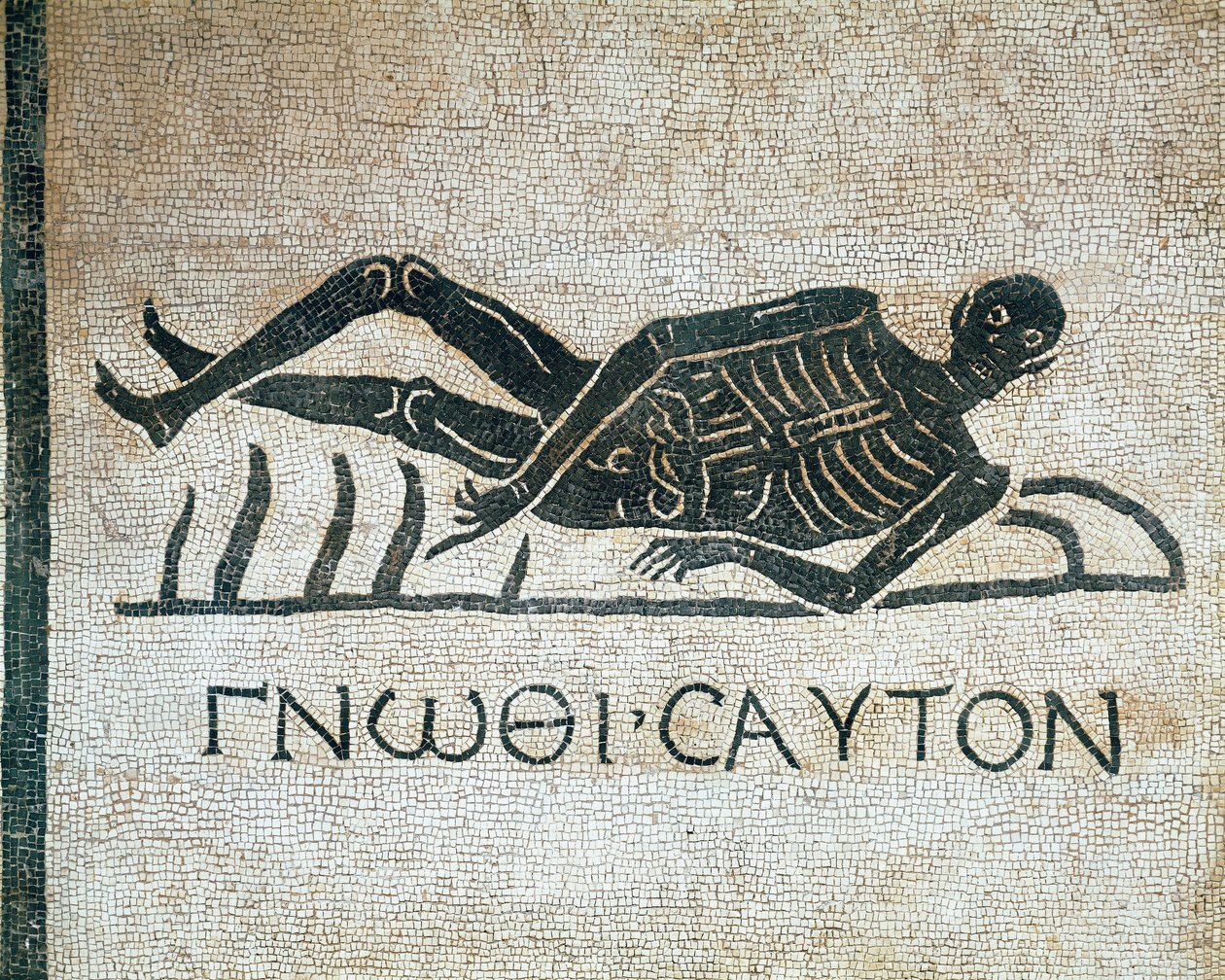
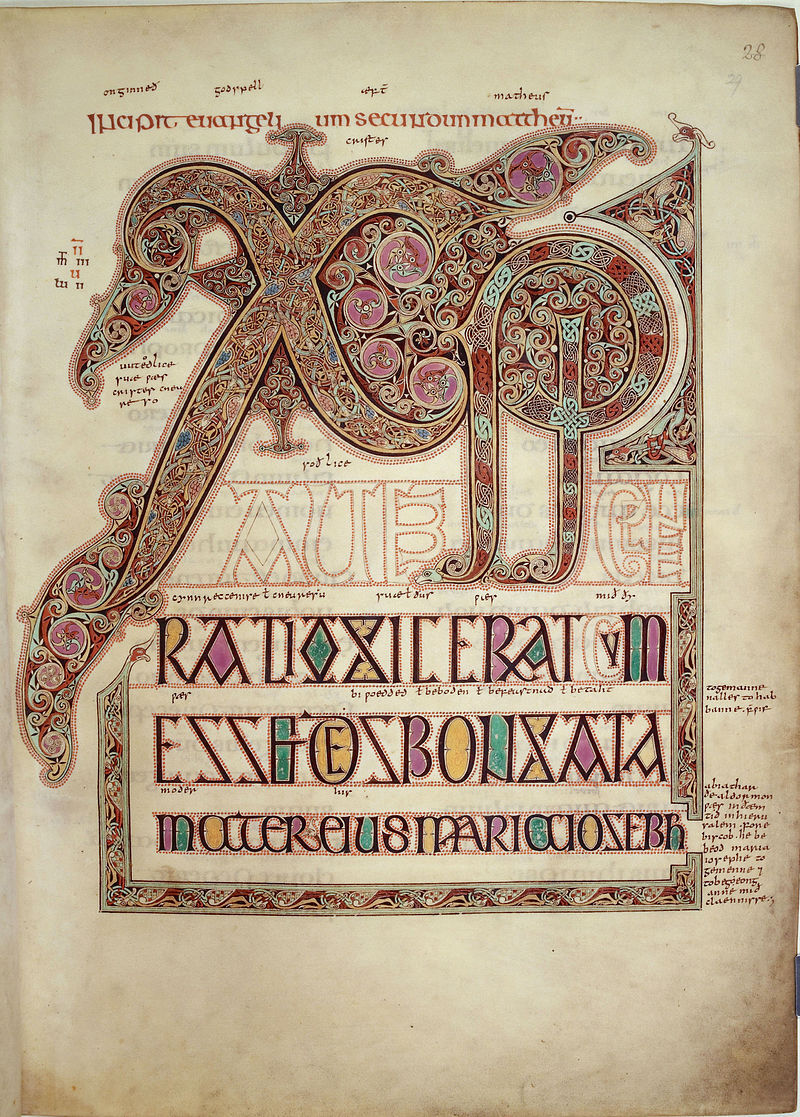
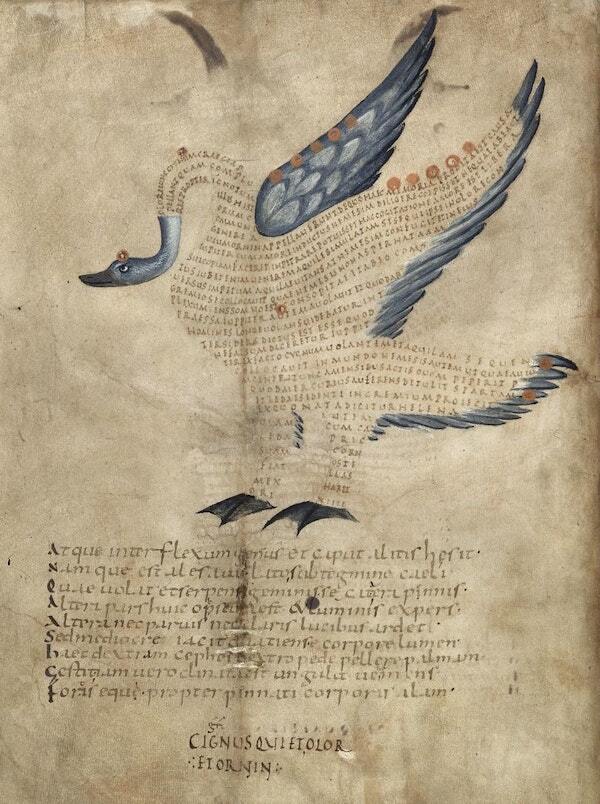
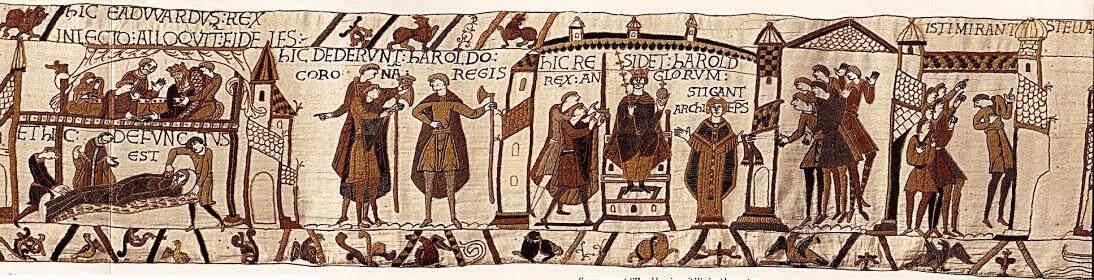
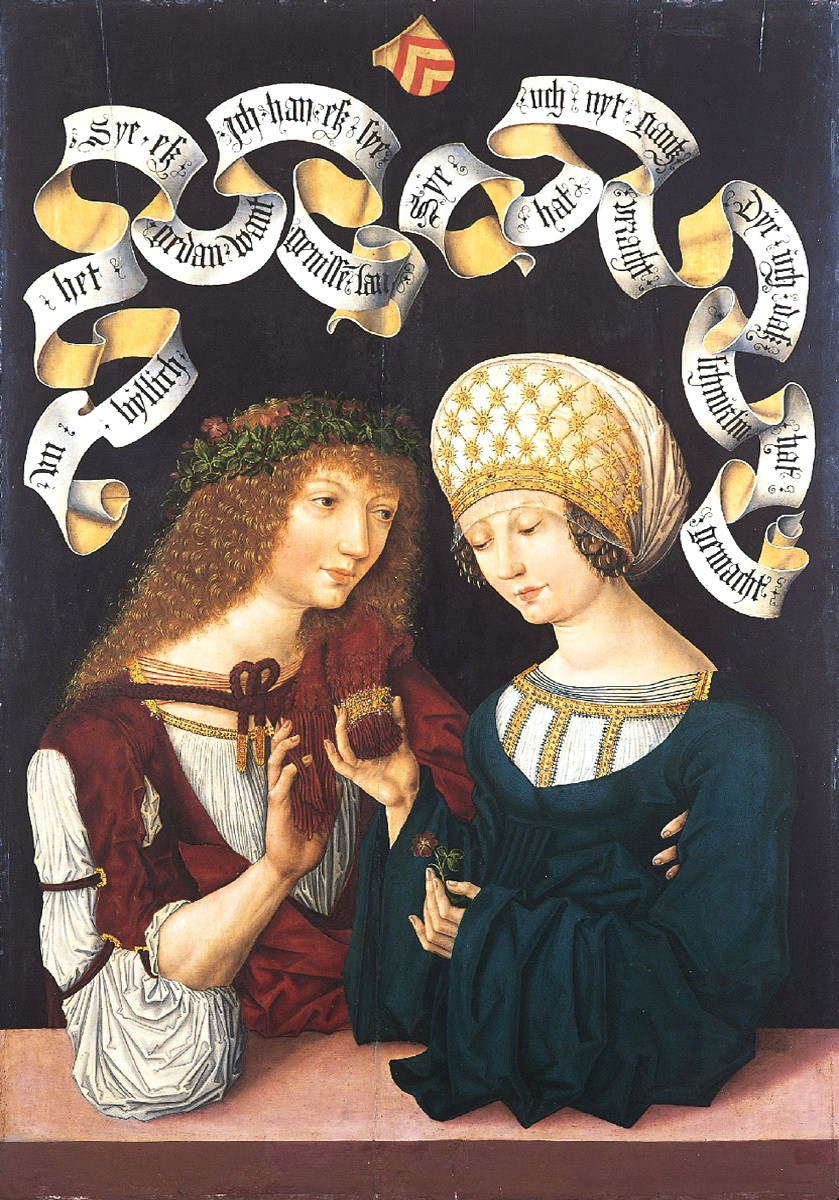
The text began to appear in connection with the pictorial representation from the very beginning of written cultures. In the ancient period, it was most often the accompanying element that interprets the image, the accompanying motto or dedication. In the Middle Ages, the production of richly decorated initials in illuminated manuscripts became an integral part of the book's visual equipment, and over time, the text integrated into the image appeared more and more often in the service of strengthening the narrative structure of the visual representation. In the late Middle Ages and the early Renaissance, it became common for banderoles to appear in portraits, and especially in religious scenes, banderoles, strips with text that commented on the content of the painting, carried a message or brought the words of the depicted characters. In recent times, as urban culture and printing developed, the use of image and text became particularly significant in the design of posters, and depictions of walls with various advertisements and messages often appeared in city scenes.



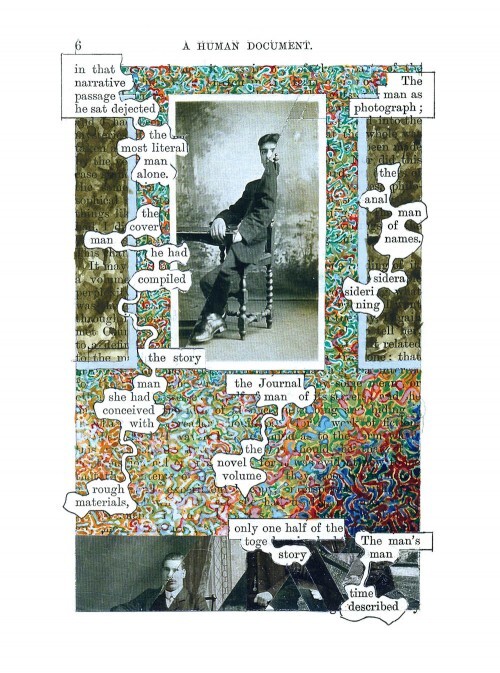
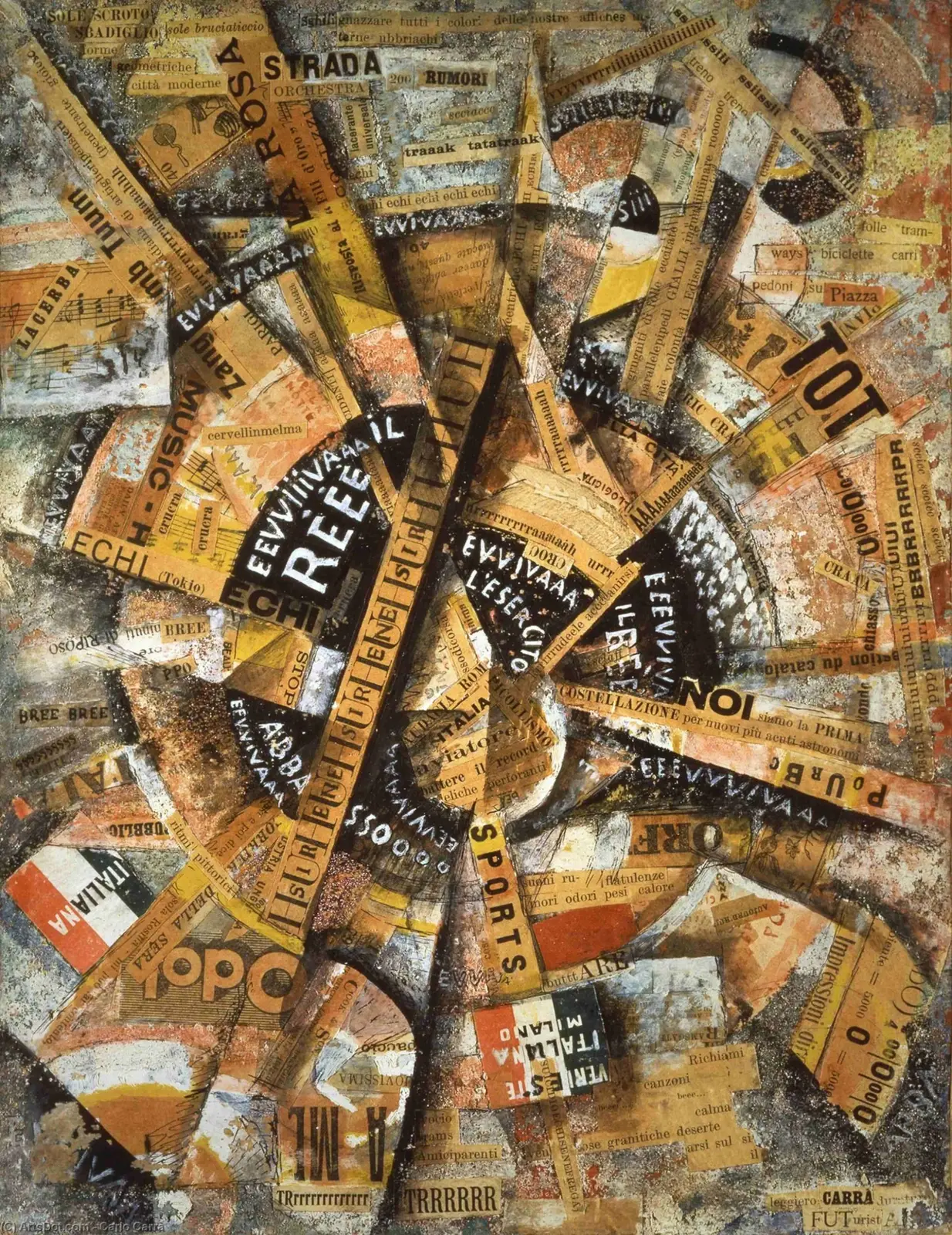
Modern and contemporary art use text or letters in a variety of innovative ways. Cubists were the first to use parts of newspapers or fragments of newspaper headlines in paintings and collages, creating a visual tension between the fragmented, deconstructed representation of reality and the elements of real objects that are incorporated into such a composition. The use of letters, parts of text and inscriptions subsequently spread in the avant-garde trends of the early 20th century, either as part of the image of the new urbanized world, or as a dynamic visual element.
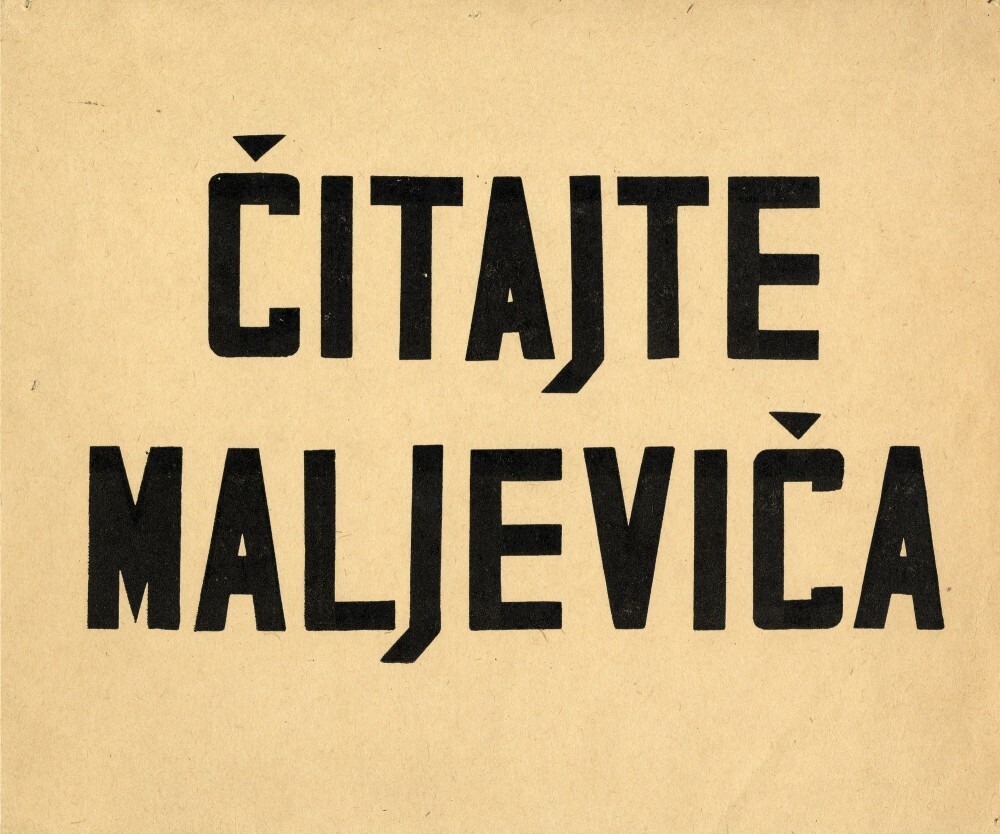
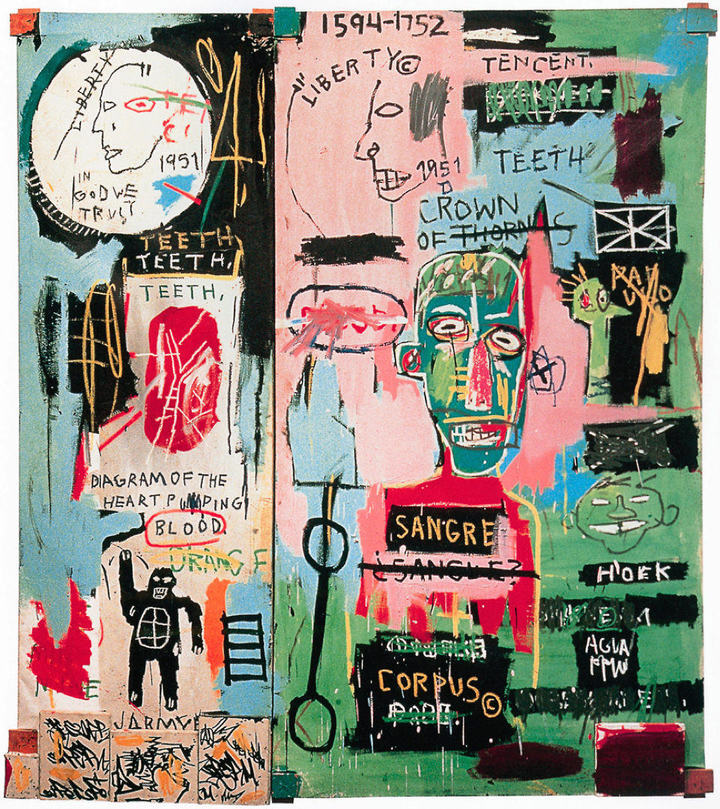
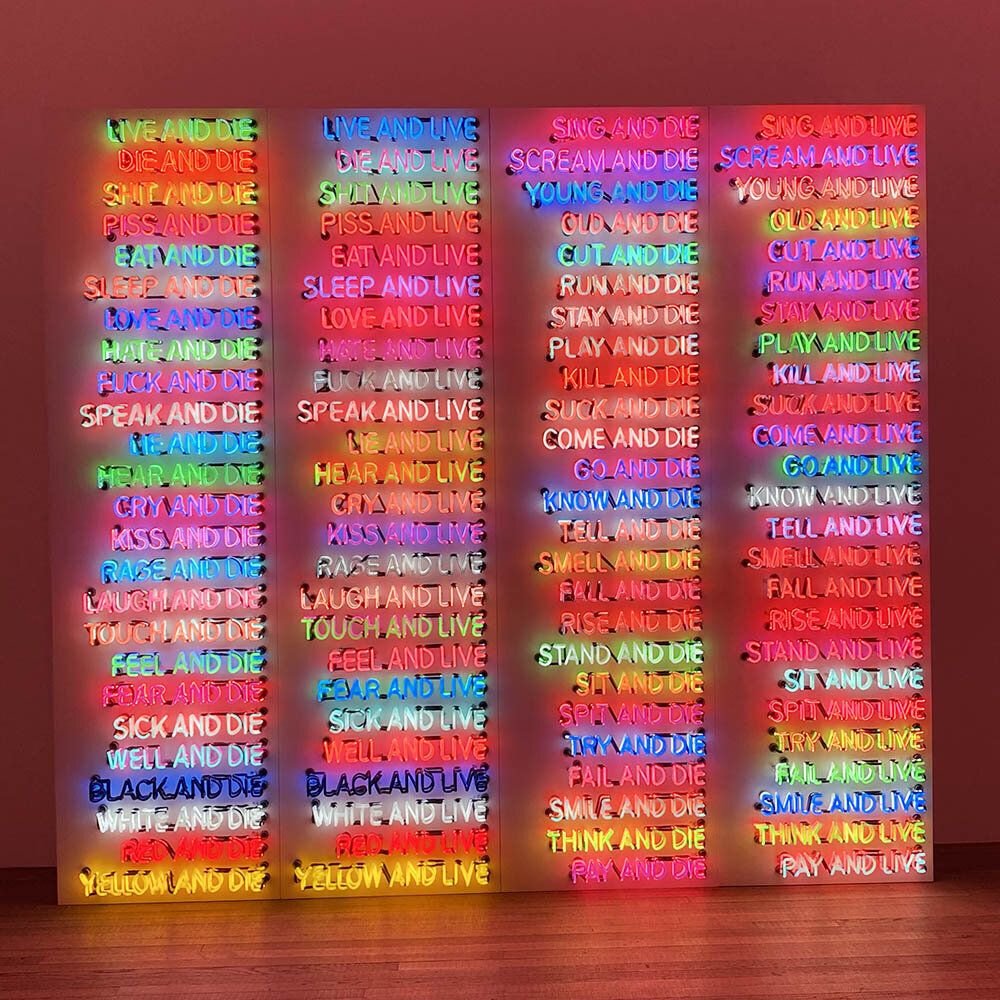
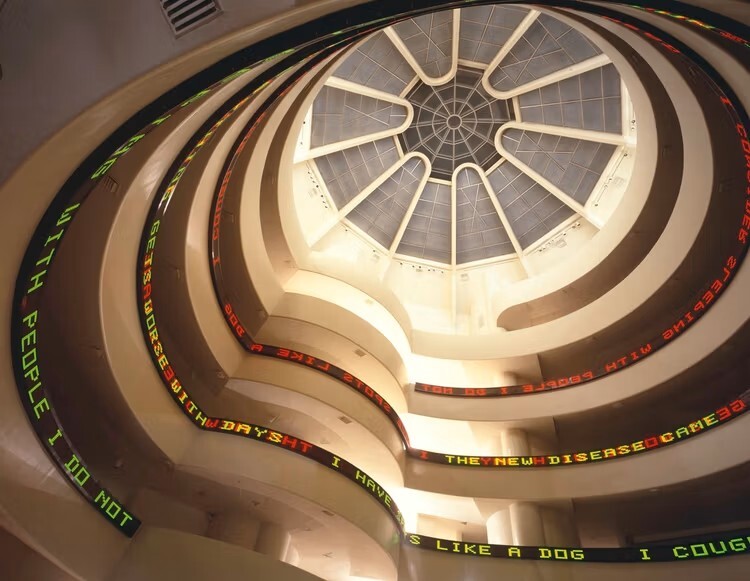
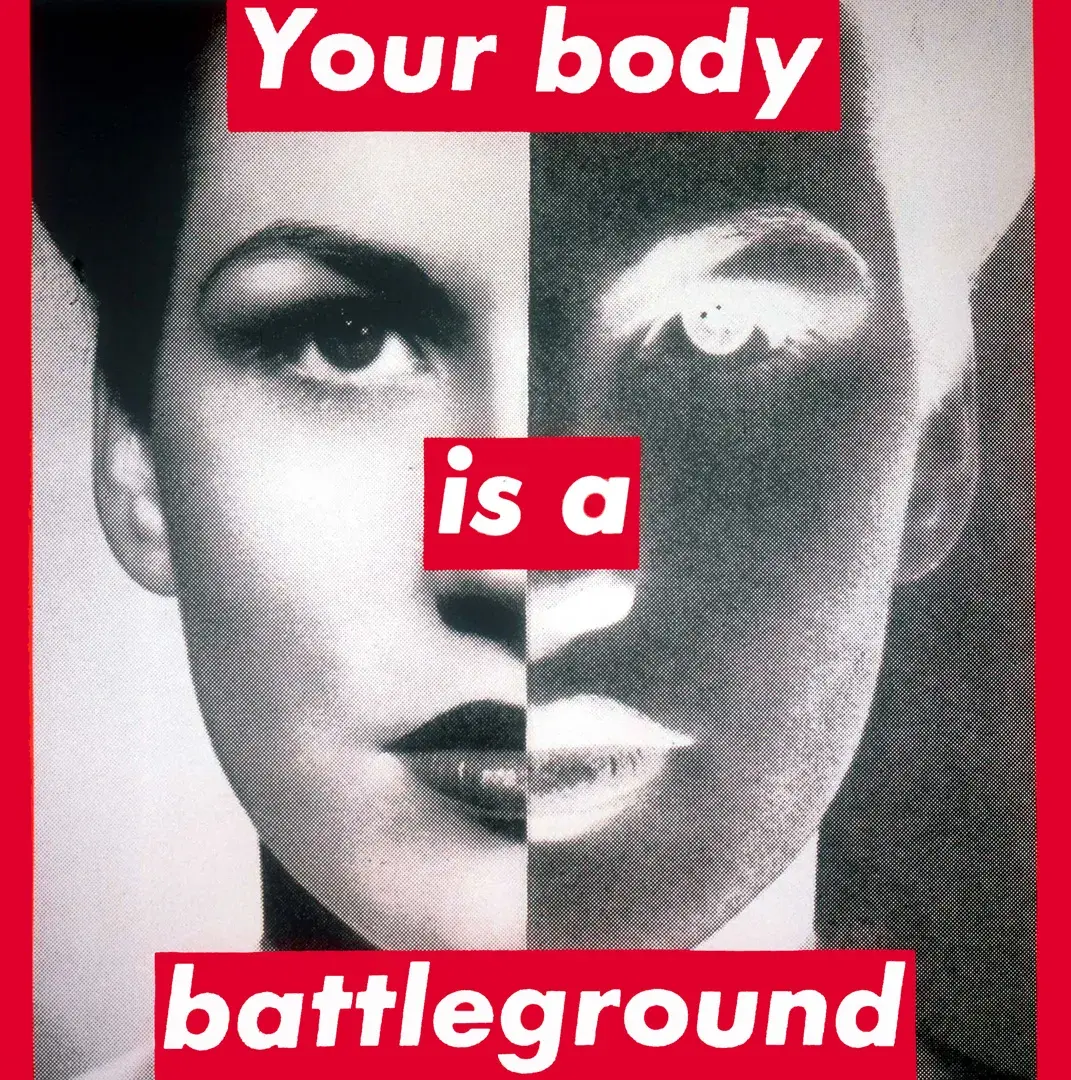
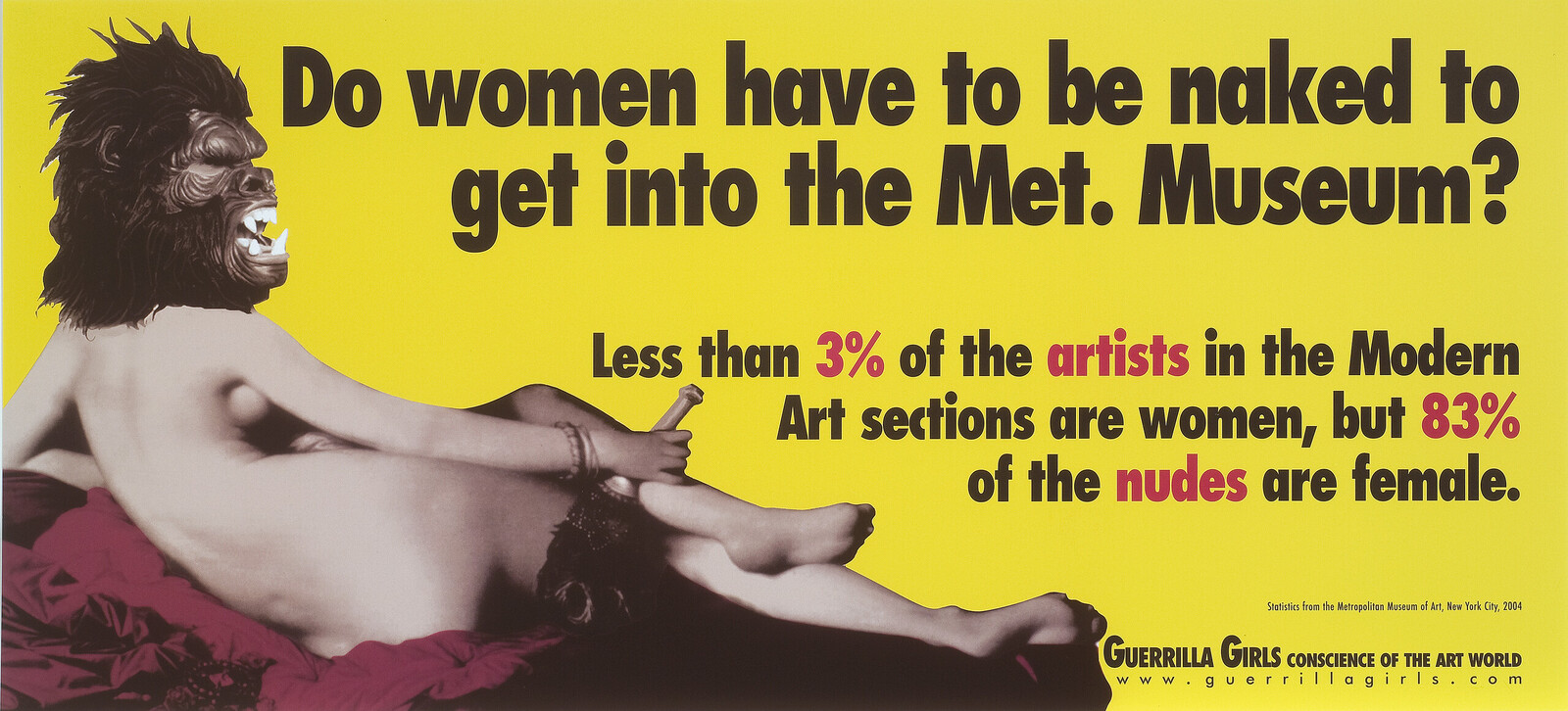
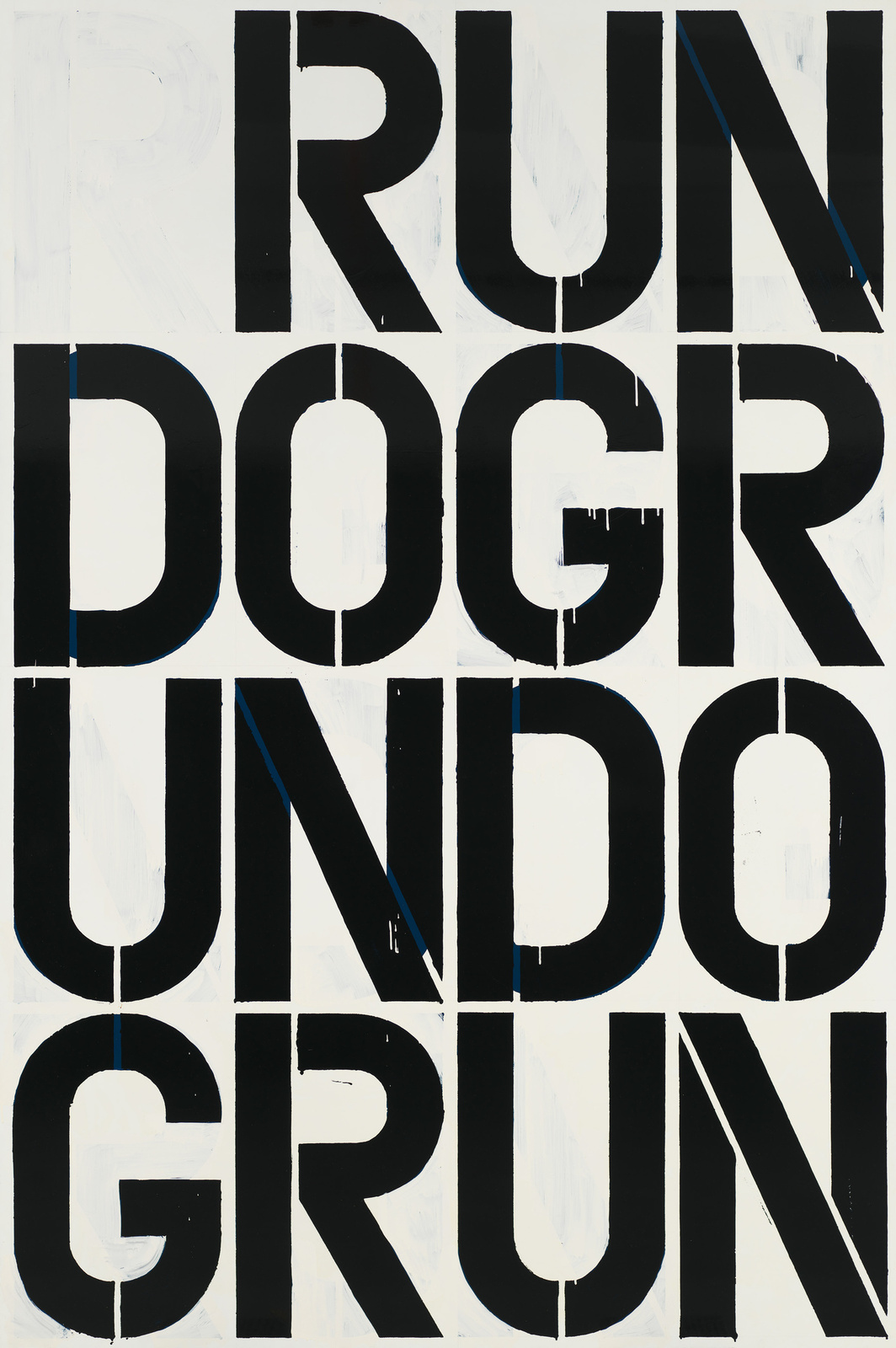
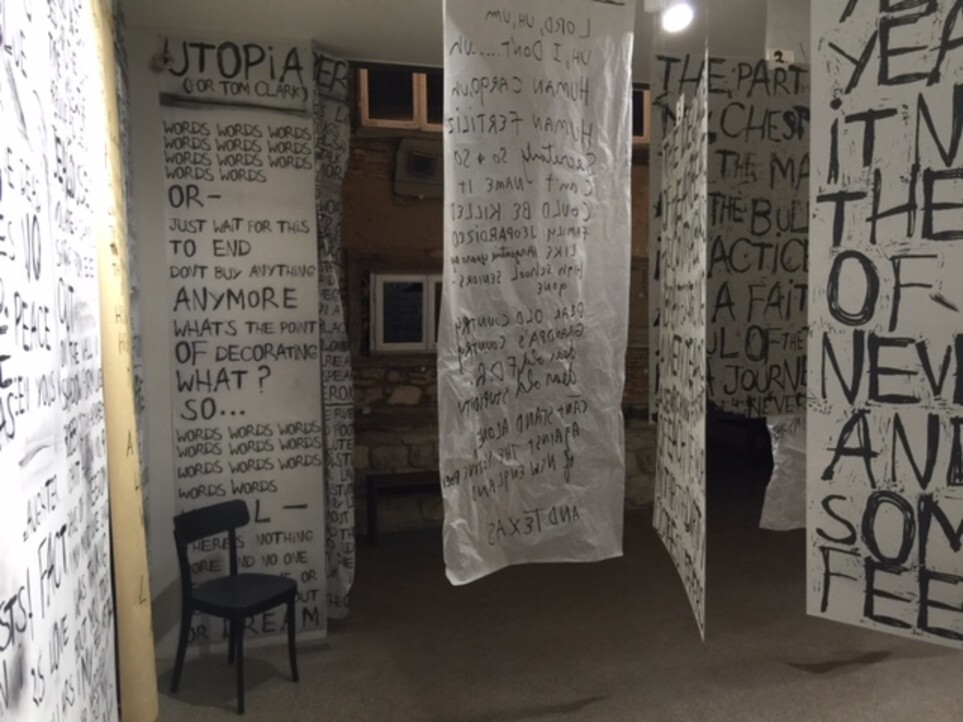
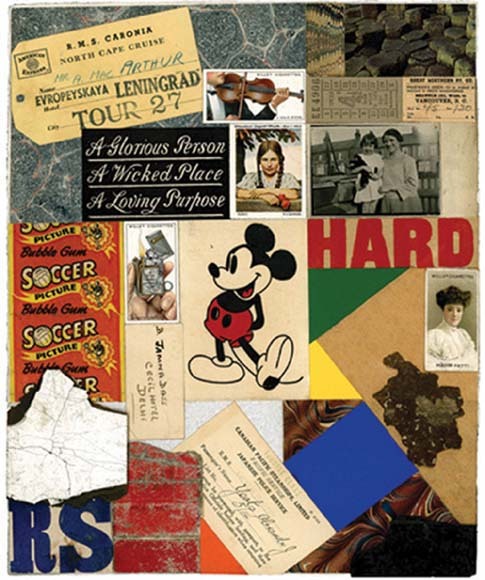
A new momentum emerged in the period of pop art, which focused on the phenomena of contemporary life filled with neon signs, advertisements and strong visual markers. Over time, letters, inscriptions, messages and slogans become visual objects per se. Many authors today use text and textual statement, message or concept as a fundamental artistic expression.

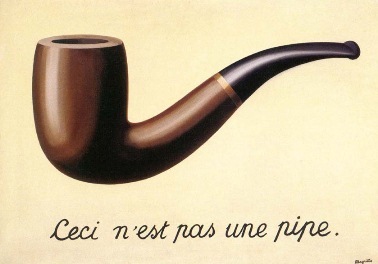
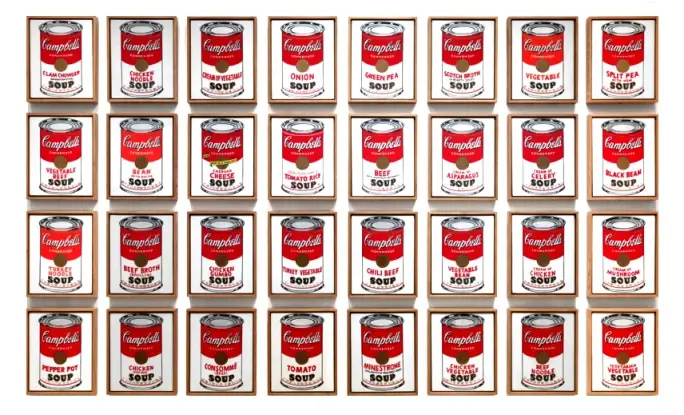
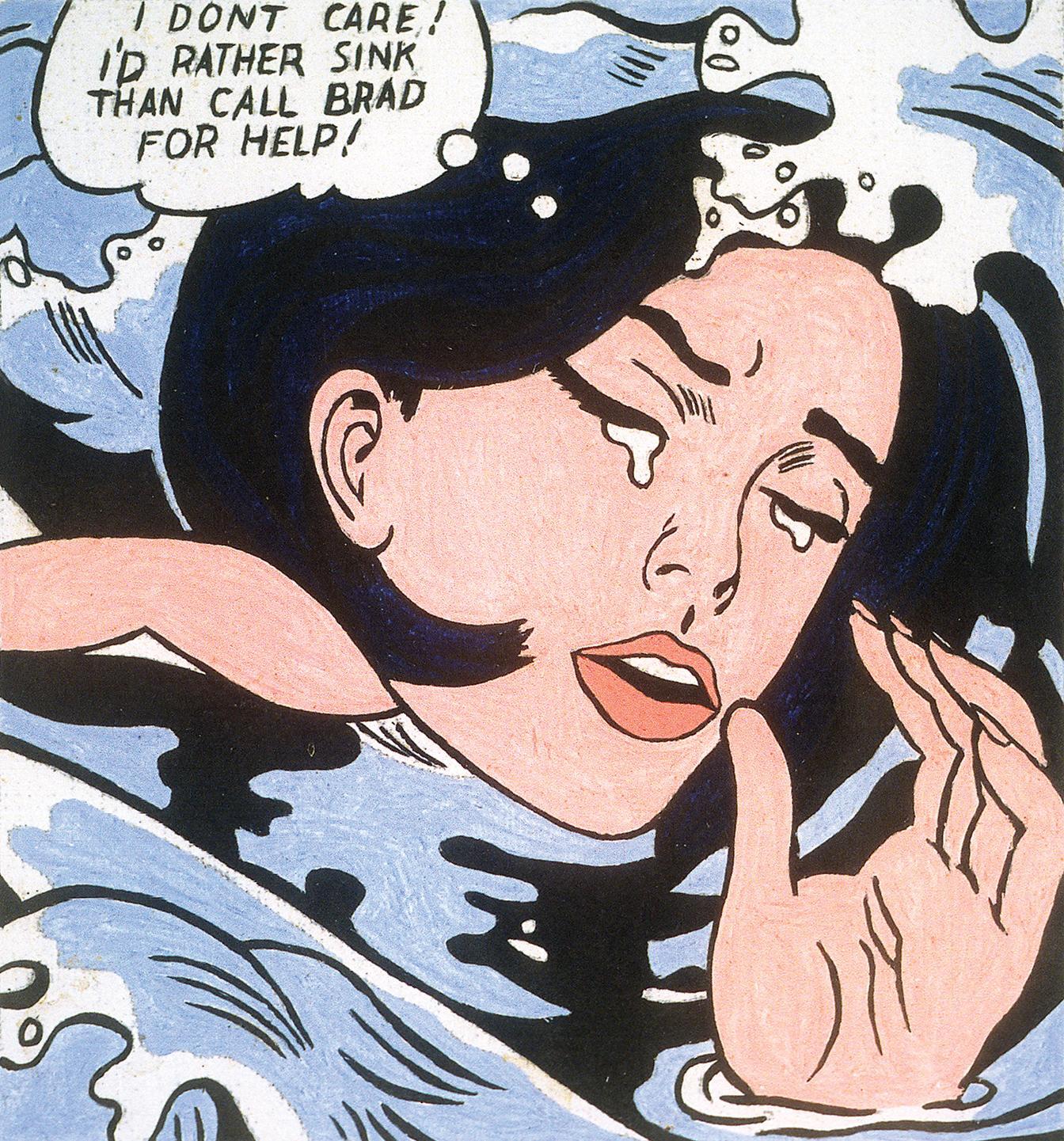
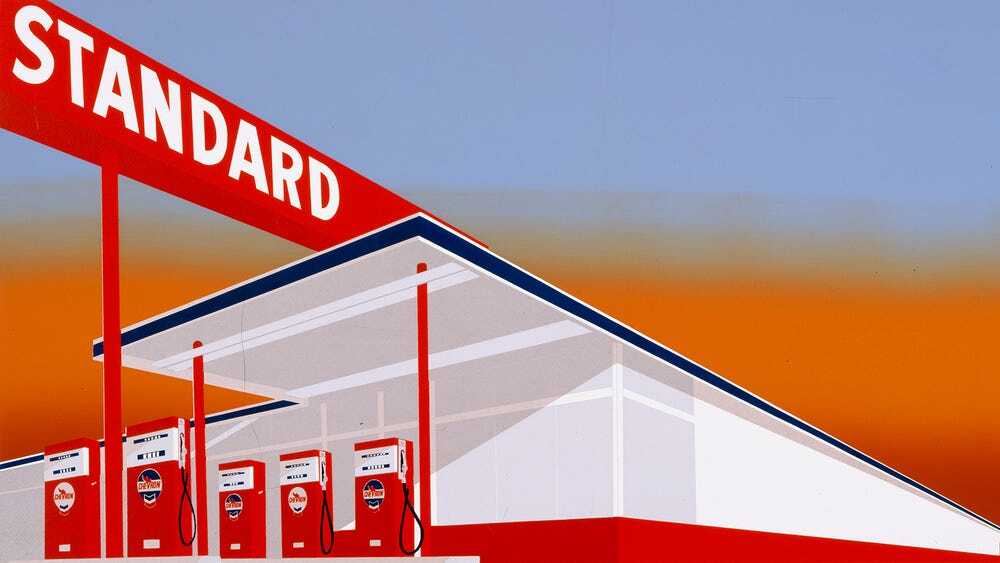

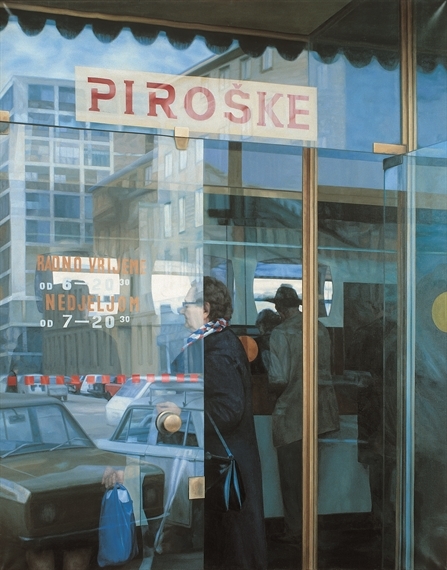
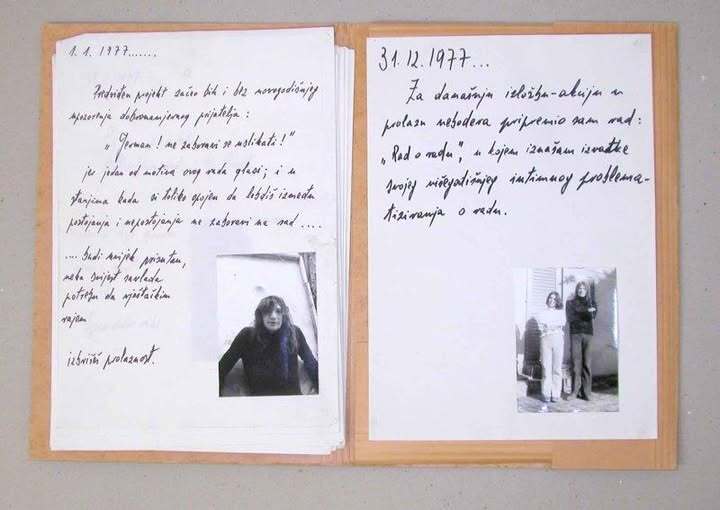

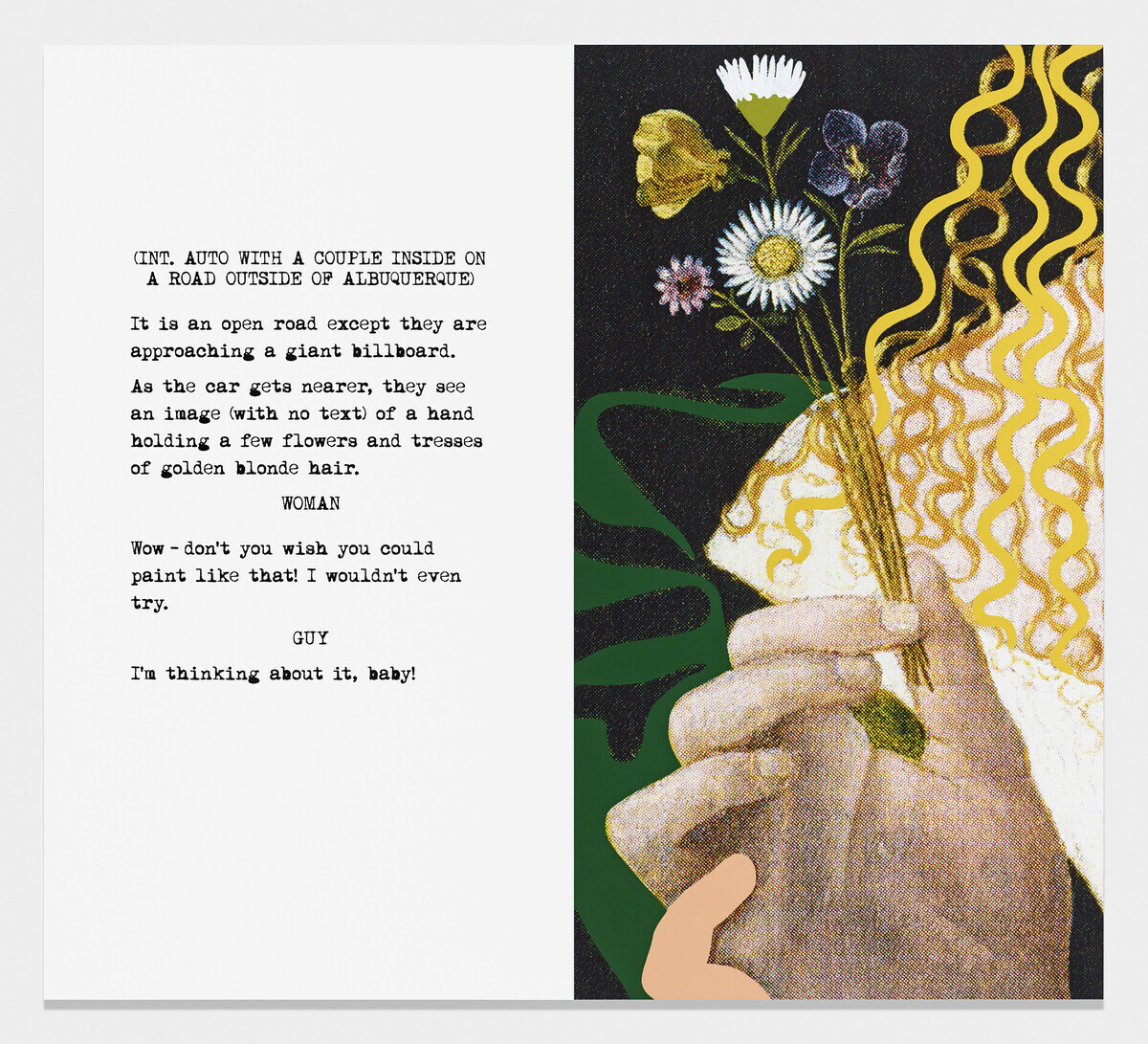
In conceptual art, the text becomes particularly important, because the very announcement of the intention or the description of the activity confirms the artistic act, i.e. "replaces" an artistic product that is not considered necessary. As a special category, we can mention artists who are dedicated to author's books. In such projects, the text, the way it is designed, the artistic interventions and the entire book as an object form the whole of the work of art.
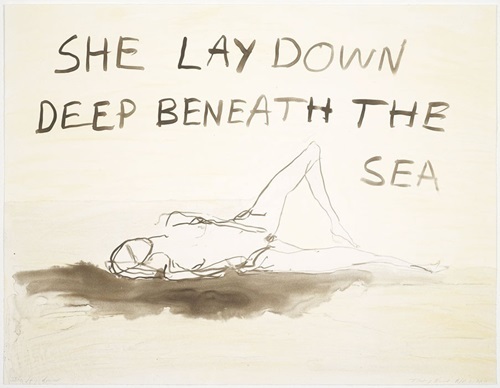
Nowadays, the relationship between image and text is becoming more and more complex and diverse, both in the field of digital art and in the field of traditional artistic expressions, so we think it is interesting to recall the history of the relationship between these two media.